Want to have a book printed? Then you have a lot of decisions to make. About the paper, the cover, the type of binding, special printing techniques, and so on. But also about the binding method, perhaps the most difficult choice of all. One you’d rather not make alone? No problem, that’s what we’re here for! 👇
Singer stitch
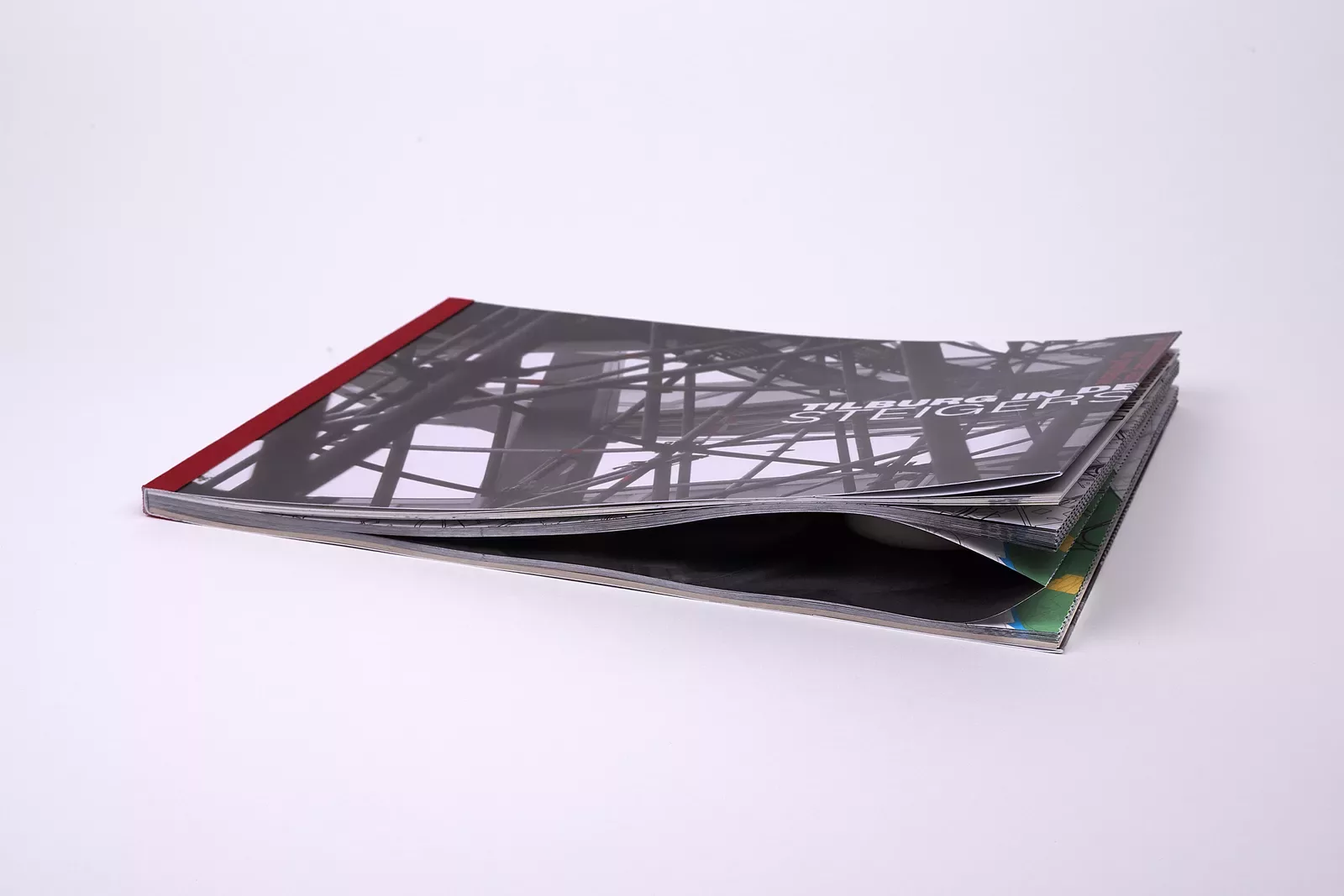
We mainly use a singer stitch for thin books with a soft cover. This binding method is popular with artists who want to create an art book, or for high-quality presentation brochures in the real estate sector, for example. There are two types to choose from: in the spine of the printed matter and the flat singer stitch. For a saddle stitchin the spine, we insert the sections and sew them together in the spine. For a flat saddle stitch, we lay the sheets on top of each other and sew the entire stack of paper.
Whichever technique you choose, the nice thing is that you can always choose from different colours of thread to give your creation that little bit extra.
Saddle stitch
Singersteek
Vlakslingeren
Folding and stapling
A method we mainly use for books with a maximum of 80 pages. You can choose between standard staples or so-called eyelet staples, whereby the document is placed in a simple ring binder. The smallest format you can staple is A6 (105 x 148 mm).
Fold and stapling
Vouwen en nieten
Threadless binding
Threadless binding is the ideal technique for brochures and magazines. As the name suggests, no thread is used, but glue instead.
threadless binding
Garenloos brocheren
Threadless PUR
Are you looking for a threadless saddle-stitched brochure or catalogue and is longevity of great importance? Then you can opt for PUR glue. With this ultra-strong glue, your book will last a lifetime.
Model: Loose particles – Julie Van Milders (Threadless binding)
Model: Losse deeltjes – Julie Van Milders (Garenloos brocheren)
Model: Losse deeltjes – Julie Van Milders (Garenloos brocheren)
Thread-sewn binding
This binding method is the absolute cream of the crop and is very popular for high-quality printed matter such as art books or coffee table books. This is largely due to the durable nature of the binding, which significantly increases the lifespan of your book. You should bear in mind that this binding method is a time-consuming task and therefore quite expensive.
Thread-sewn binding
Garengenaaide boekbinding
Open spine binding
This is a very special type of binding, because it combines a sewn brocaded binding with a glued spine.
The spine of the sewn book blocks is left exposed and finished with lightly pigmented, transparent or coloured hot melt adhesive. The binding thread therefore remains subtly visible, which can create some very surprising effects. A good example is text that appears in certain parts of the spine of the sections. In that case, we glue the spine with transparent or lightly pigmented glue, or even colour the entire book block.
Open spine binding
Block gluing
With this binding method, we glue a number of sheets of paper onto cardboard. Block gluing is most commonly seen in memo pads and notepads, but other applications such as tear-off calendars are also perfectly suited to this method.
Block gluing
Binding with book screws
The advantage of book screws is that they do not form a permanent connection. This means you can easily have the binding renewed. What’s more, the binding can always be expanded with various accessories such as extensions, book screw loops, spacer sleeves, cover caps and rivets. Very popular for menus!
Swiss binding
This binding method starts with a threadless or sewn book block. These book blocks are covered with linen and then glued to the third page of the cover. In a thread-sewn version, the linen can be omitted, as shown in the photo below.
Obumex catalogue with Swiss binding
Catalogus van Obumex met zwitserse binding
Catalogus van Obumex met zwitserse binding
Japanese binding
Japanese binding is an ancient traditional technique, formed using four or five holes, depending on the size of your book. No glue or folds are used, allowing you to create a beautiful, handmade book.
Menus for DIM Dining with Japanese binding
Menukaarten voor DIM Dining met japanse binding
Menukaarten voor DIM Dining met japanse binding
Otabind
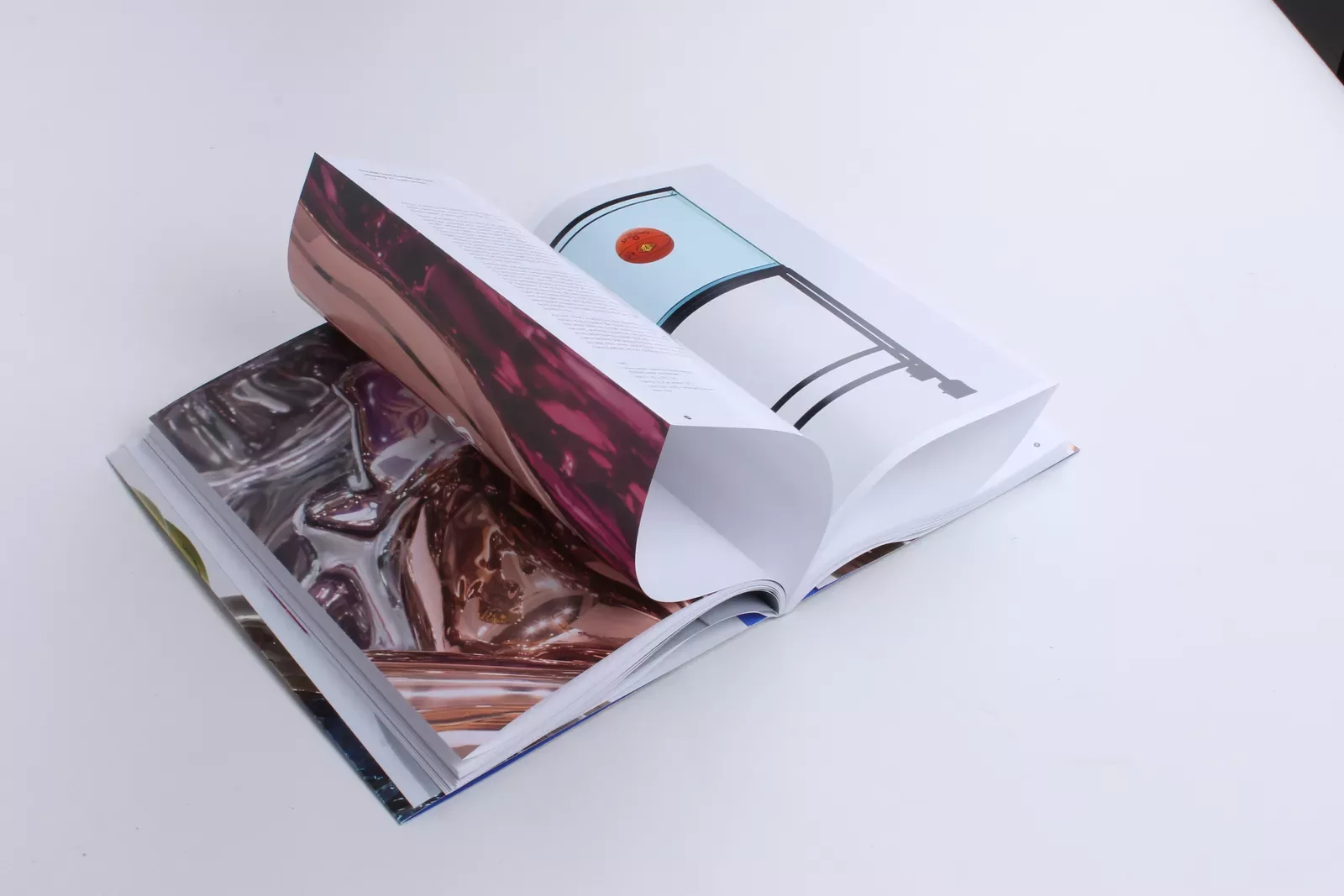
Otabind is a finishing technique that ensures your book lasts extra long and stays open nicely while reading. With this technique, the cover of the book is not glued to the spine of the book block, but to the first and last pages of the book block. You can recognise it by the spine that curves nicely when you open the book. The big advantage of Otabind is the flexible cold glue that is used. The combination of the loose spine and cold glue ensures that the book block lies flat when open.
Wire-o binding
Wire-o binding is a convenient and sturdy binding method, ideal for books with many pages, such as catalogues and teaching materials. We also use it regularly for calendars. It is important to note that your printed matter may only have a maximum thickness of 28 mm. Do you like a bit of colour? With shades such as black, white, copper, gold and metallic, you can add a nice effect to your book.
Wire-o binding
Wire-o binding
Japanese binding
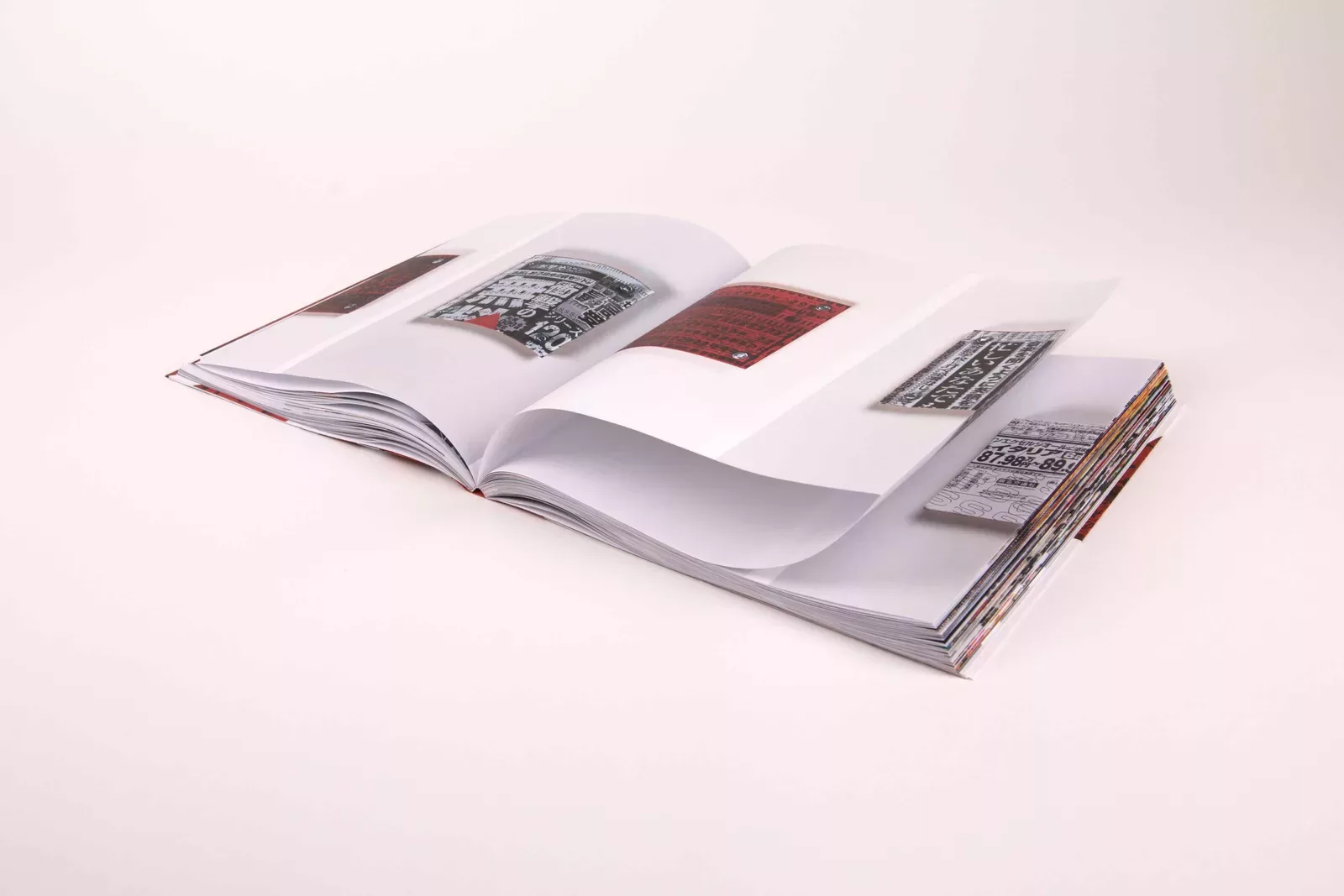
With this binding method, pages are glued into the spine but are not trimmed at the top. This means that the sections remain closed. Important text cannot be placed on the closed sections, but you can print on them to give your book an artistic look.
Would you like some extra personal advice from our experts? Then book a cup of coffee with Kelly or just pop in!
Graag een gesprek?
We staan klaar met antwoorden op je vragen!
Laat hier je gegevens achter. Doorgaans beantwoorden wij je vraag binnen 24 uur.
Na je aanvraag nemen wij contact op om je aanvraag te bespreken.